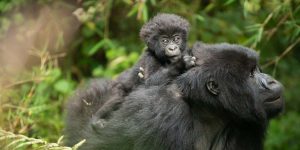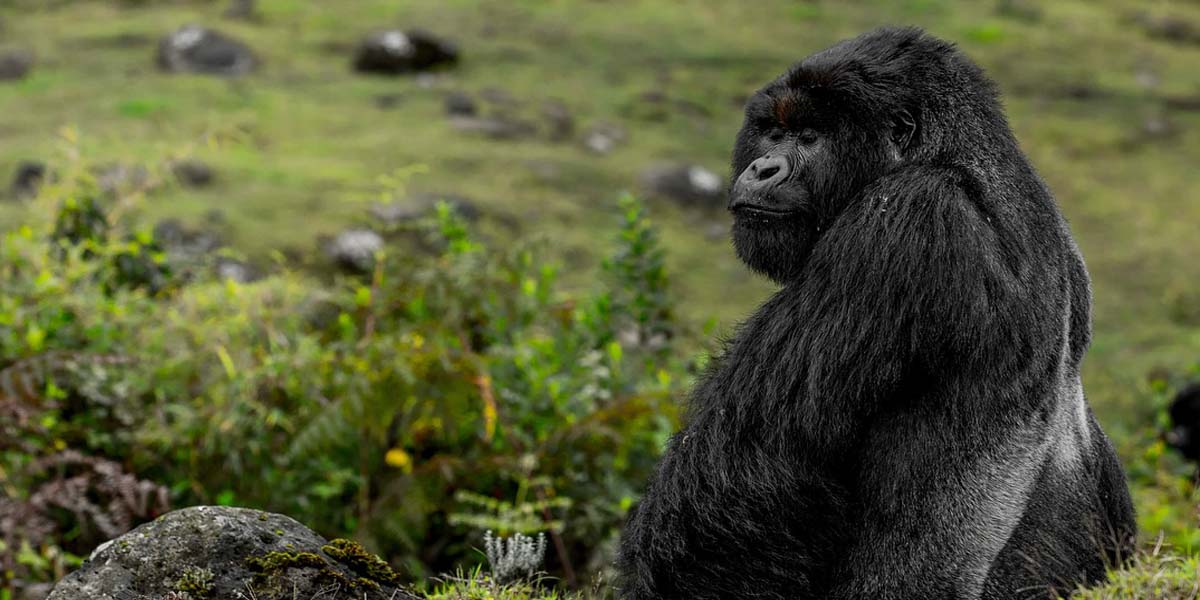
Tracking gorillas in Rwanda is one of Africa’s unforgettable wildlife experiences. It offers an opportunity to hike the gorilla highlands to meet mountain gorillas in their most preferred habitats. This adventure allows a close encounter with mountain gorillas and also contributes to conservation. Every permit purchased supports the protection of these endangered apes and their fragile forest habitat.
Rwanda Gorilla tours have become an important part of the country’s conservation success story. By visiting Volcanoes National Park, you contribute to a tourism model that connects wildlife protection with local community development. As a result, responsible tourism has created strong incentives to protect the Rwanda Great Apes and their natural environment.
Gorilla Trekking also enables you to have a deeper understanding of the challenges facing endangered wildlife. By participating in Rwanda Primate tours, you can learn why conservation remains essential for the survival of mountain gorillas and other primates. Let’s look at how tracking gorillas in Rwanda helps protect the endangered mountain gorillas.
Generation of Conservation Funds
Tracking gorillas in Rwanda involves purchasing a gorilla trekking permit. Revenue generated from these permits contributes to conservation activities, park management, ranger services, research, and community development initiatives.
A Rwanda gorilla permit currently costs USD 1500 per person for foreign non-residents. East African citizens and those from the Rest of Africa receive a discounted rate that varies by season. The continued success of tracking gorillas in Rwanda demonstrates how carefully managed tourism can support endangered wildlife. Rwanda has invested heavily in conservation, habitat protection, and anti-poaching efforts. Tourism revenue creates financial support for these important activities.
Rwanda Gorilla tours therefore offer more than an exciting wildlife encounter. Every journey booked contributes to a purposeful conservation effort that protects Rwanda Great Apes for future generations. You become part of this conservation model when you book Rwanda Safari experiences. Your tourism spending supports an industry that depends on healthy ecosystems and protected wildlife populations.
Supporting the Protection of Mountain Gorilla Habitats
Mountain gorillas depend on protected forested mountains for food, shelter, and survival. These protected areas are, however, threatened by population growth that encroaches on the land in a bid to create land for agriculture and other economic purposes. Gorilla Trekking gives them a fundamental purpose and encourages governments, conservation organizations, and communities to protect these valuable ecosystems.
Protecting these forests benefits Rwanda Great Apes and many other wildlife species, including birds, plants, and smaller primates. Through responsible practices, tracking gorillas in Rwanda allows you access to carefully managed gorilla families. Strict rules help reduce unnecessary disturbance to the animals and their habitat. Daily visitor numbers are controlled to ensure that tourism remains sustainable.
Rwanda Gorilla tours follow guidelines designed to protect both visitors and gorillas. Trekkers must follow instructions from experienced guides and park rangers throughout the Gorilla Trekking experience. These regulations are one reason why Rwanda Primate tours can contribute positively to conservation.
Creating Jobs and Supporting Local Communities
Local communities play an essential role in successful conservation. People living near protected areas are more likely to support wildlife conservation when tourism creates meaningful economic opportunities, as is the case in Rwanda.
Rwanda Gorilla tours create employment for guides, porters, lodge staff, drivers, craftspeople, and other tourism professionals. This helps communities benefit from the presence of the Rwanda Great Apes.
Tracking gorillas in Rwanda also supports businesses beyond the national park. Hotels, restaurants, transport providers, cultural experiences, and local suppliers benefit from visiting travelers. Well planned Rwanda Safari experiences therefore support both wildlife and people. Such sustainable tourism creates a connection between conservation and economic development.
Rwanda Primate Tours also offer an opportunity to experience authentic cultural experiences around the park, generating more income for the community. Community visits, local crafts, and cultural activities provide additional income opportunities. When local people benefit from tourism, conservation becomes more valuable to the wider community.
Gorilla Trekking Raising Global Awareness
Gorilla Trekking creates powerful personal experiences that inspire greater appreciation for wildlife conservation. Seeing a mountain gorilla in its natural habitat helps travelers understand why endangered species need protection.
You return home with a stronger awareness of conservation challenges after tracking gorillas in Rwanda. Many share their experiences with friends, family members, and wider audiences, encouraging them to visit Rwanda.
This increased awareness creates international support for the protection of the Rwanda Great Apes. Wildlife tourism also helps keep attention focused on the importance of protecting Africa’s remaining natural habitats. By booking Rwanda Gorilla tours, you get to see how conservation can work when tourism, local communities, and wildlife protection are carefully connected.
For this reason, Rwanda Primate tours are not simply about seeing animals. They have become educational journeys that reveal the importance of biodiversity, habitat protection, and responsible travel.
Boasting Research and Monitoring
Rwanda Great Apes benefit from research and monitoring. Daily Gorilla Trekking activities are supported by knowledgeable guides, trackers, rangers, and conservation teams. This regular monitoring helps experts understand gorilla behavior, movements, family structures, and overall well-being.
Tracking gorillas in Rwanda takes place under carefully controlled conditions. With this, conservation teams can monitor the gorilla families while ensuring that you follow strict rules.
Ongoing monitoring is important for the long-term protection of the Rwanda Great Apes. It helps in early identification of potential threats and can support faster conservation responses. Rwanda Gorilla tours also generate interest in scientific research and wildlife protection. The information gathered by researchers contributes to a greater understanding of mountain gorillas and their conservation needs.
Meeting researchers and trackers on Rwanda Primate tours therefore helps you appreciate that successful wildlife tourism depends on extensive work taking place behind the scenes.
Protecting Health Through Responsible Gorilla Trekking
Mountain gorillas share a close genetic relationship with humans, with an over 95% DNA similarity. This means they are vulnerable to human illnesses like the flu. Responsible Gorilla Trekking rules are therefore important for protecting gorilla health.
You are required to follow health and safety guidelines established by park authorities when tracking gorillas in Rwanda. These include maintaining an appropriate distance and following ranger instructions to help reduce unnecessary risks.
Our Rwanda Gorilla tours are designed around responsible wildlife viewing rather than unrestricted access. This approach helps ensure that tourism does not place the Rwanda Great Apes under excessive pressure. Responsible Rwanda Primate tours encourage travelers to respect wildlife and understand that conservation must always come before entertainment.
These careful practices make Gorilla Trekking an example of how high-value, low-impact tourism can support endangered wildlife.
Sustainable Rwanda Safari Experiences
Rwanda Safari experiences are increasingly focused on conservation, responsible travel, and meaningful encounters with nature. Combine Gorilla Trekking with wildlife viewing, birding, cultural experiences, and visits to other protected areas.
A journey focused on tracking gorillas in Rwanda introduces you to the wider importance of biodiversity conservation in all ecosystems. This is because Rwanda Safari experiences include diverse destinations such as forests, savannahs, wetlands, and lakes.
Sustainable Rwanda Primate tours offer opportunities to explore the country’s remarkable primate diversity. Chimpanzees, golden monkeys, and other primates can complement encounters with the Rwanda Great Apes.
By choosing responsible Rwanda Gorilla tours, you support operators and accommodations committed to sustainable tourism practices. Selecting eco-conscious services helps reduce environmental impacts while supporting local economies.
Why Choose Responsible Rwanda Gorilla Tours
Choosing responsible Rwanda Gorilla tours means supporting an experience where conservation comes first. Respect park rules, follow their guides, avoid disturbing wildlife, and choose responsible tourism companies.
Tracking gorillas in Rwanda is a privilege rather than an ordinary wildlife activity. Mountain gorillas remain endangered, and their continued protection requires long-term commitment from governments, conservationists, communities, and travelers. Gorilla Trekking directly contributes to the survival of these extraordinary animals by generating conservation revenue and creating economic value around protected habitats.
Rwanda Primate Tours also encourages travelers to look beyond a single wildlife encounter. They provide opportunities to understand forest ecosystems, primate conservation, and the relationship between people and nature.
By choosing responsible Rwanda Safari experiences, you enjoy unforgettable journeys while contributing to a more sustainable future for wildlife.