Adventurous Kenya Tour Experiences. Discovery Journeys

Adventurous Kenya Tour Experiences

Adventurous Kenya tour experiences are epic and among the finest East African Discovery Journeys. Kenya is renowned for its vibrant open savanna experiences but offers much more. The country’s cultural and wildlife diversity make Kenya Tour experiences unique and ideal for adventure lovers.

Planning a Kenya Tour depends on the time available and preferences. Choosing the best experiences is hard since all Kenya Tour adventures are remarkable. This Discovery Journeys guide discusses the most adventurous Kenya Tour experiences based on Traveler’s Choice.

Wildebeest Kenya Tour Adventures

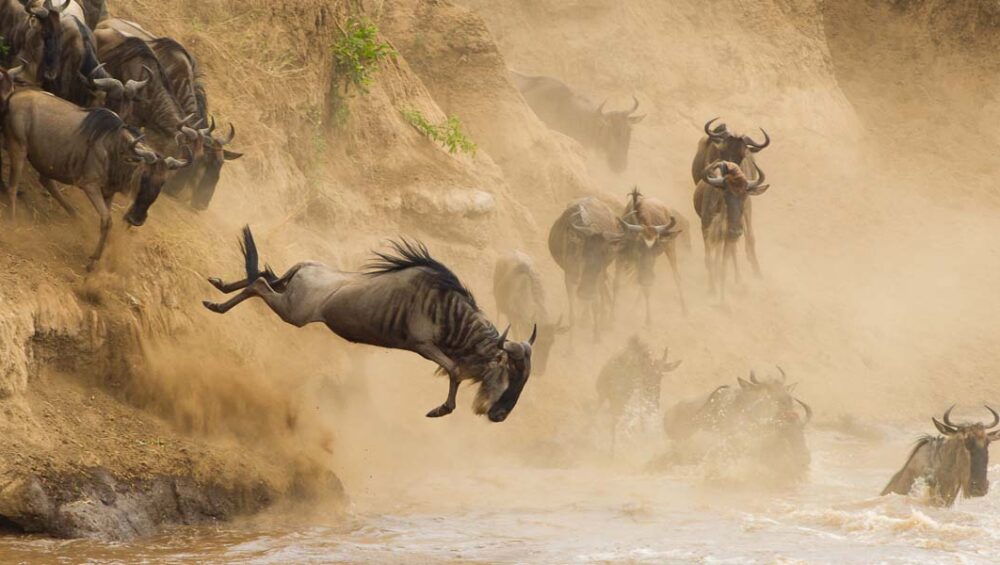
Masai Mara’s wildebeest migration tops the traveler’s choice of the best Kenya Tour Experiences. The migration involves over a million wildebeests, gazelles, and Zebras from Serengeti National Park in Tanzania to Masai Mara. Migrating herds move in search of fresh pastures guided by the seasons of the open ecosystem.

They start their journey in Southern Serengeti with the calving period from December to March. Over 5,000 calves are born daily, rejuvenating the herds that are always on the move. They start their Mara River crossings in July and throughout September as they battle with predators for survival.

Mara River is home to large, deadly crocodiles that await the migrating herds to take down their prey. The herds that survive this phase still face the challenge of Big Cats evenly distributed in the Masai Mara Ecosystem. On a Kenya Tour adventure featuring the wildebeest migration, you see the migration, the River crossings, and predator hunts.

Watamu Marine Tour Experiences

Kenya coastal tour experiences are unique and ideal for marine wildlife enthusiasts. Kenya has a 600-kilometer coast along the Indian Ocean with white sand beaches and Marine wildlife. It is home to East Africa’s best reefs for diving and snorkeling.

The country’s prominent Marine protected areas include Watamu and Kisite Mpuguti Marine Parks. These are home to marine wildlife, including sea turtles, dolphins, whales, and several fish species. On Kenya tour adventures along the coast, you journey with rare marine wildlife species that do not occur in other Kenya safari destinations.

Watamu is ideal for honeymoon getaways and destination weddings. You can relax at the beach or engage in beach sports activities like volleyball. Watamu has historic tourist sites like the Gede ruins that date back to the 12th century. These were vibrant Arab settlements inhabited by Persian and European traders.

Our 7-day Kenya wildlife and beach safari holiday features savanna wildlife tour adventures and a coastal beach holiday. This allows you to explore marine and savanna wildlife ending with a beach holiday.

Balloon safari adventures

Balloon safaris are among the latest additions to Adventurous Kenya Tour Experiences. They are commonly done in open savanna destinations, including Masai Mara and Amboseli National Park.

Balloon safaris offer a panoramic view of the beautiful landscapes and the various safari animals. Balloons are flown at a minimal height and slow pace to enable one to see and learn about the different wildlife species.

Masai Mara’s balloon safari tours are epic as you journey with the migrating herds. They start early at 5:00 am, as their operation highly depends on the weather and wind. You can catch up with nocturnal animals returning from hunting. The sunrise and golden moment eventually sets in, giving you one of the best African safari experiences. Balloon safaris are highly recommended for wildlife viewing and photography.

Amboseli Elephant Experiences

Amboseli National Park is among Kenya’s most diverse tour destinations. It is located in southern Kenya stretching towards the border with Tanzania. Amboseli is home to several wild animals including zebras, giraffes, wildebeests, buffaloes, and lions.

It is most famous for its long-tusked elephant herds. Elephants are the land’s largest mammals and among the most sought-after savanna safari animals. They are unique because of their large size and impressive memory. Learning about elephants’ features and abilities is ideal when viewing them in a destination like Amboseli.

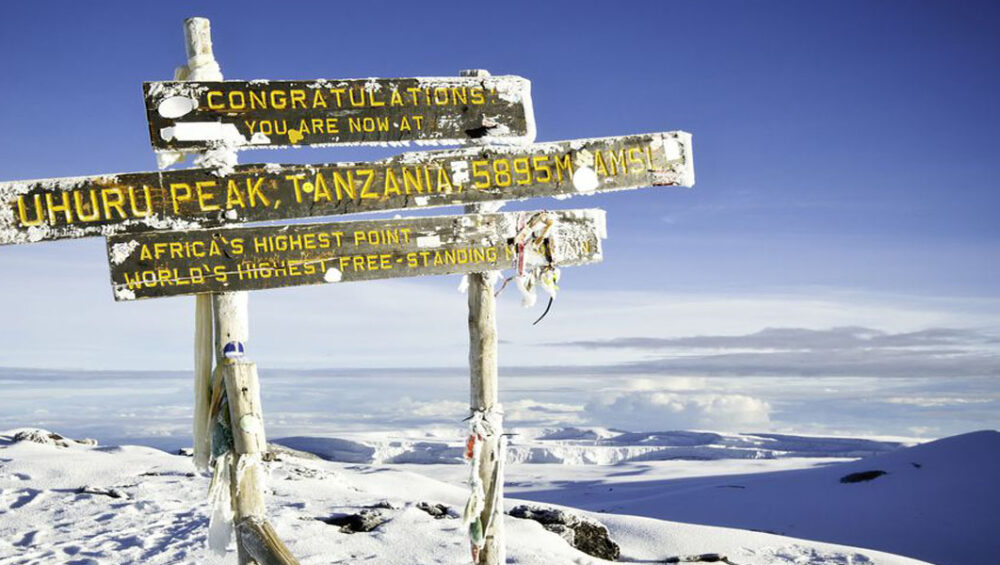
The Mount Kilimanjaro backdrop is also impressive on Kenya Tour Experiences to Amboseli. Mount Kilimanjaro is Africa’s tallest mountain, with an elevation of 5,895 meters above sea level. It lies along the Kenya-Tanzania border and is best seen in Amboseli National Park.

Nothing beats Kenya Tour Experiences with game drives in Amboseli with the Mount Kilimanjaro view. Amboseli can be visited independently or along with other Kenya safari destinations. Our 3-day Amboseli safari is short but recommended to those with limited time. For extensive Kenya Tour Experiences, you can opt for a 10-day Kenya safari.

Kenya Mountain Hiking Tours

Kenya is big on Mountain hiking tours. These are a true definition of the off-beaten tracks and exclusive Discovery Journeys. Kenya Mountain hiking tours feature journeys to the Aberdare Mountain ranges in Central Kenya. The Aberdare mountain range elevations range from 2,000 to 4,000 meters above sea level.

They have varying vegetation zones, from light bamboo forests to heath and moorland. Aberdare Mountains are home to several wildlife species, including forest elephants, leopards, lions, giant forest hogs, and duikers. African golden cats, eastern black rhinoceros, and the Bongo are rare sightings of Aberdare mountains tour adventures.

Mount Kenya, Africa’s second-highest mountain, is another challenging Kenya Tour expedition to look out for. Mount Kenya has the most impressive glacial features and landscapes. Its peaks are snow-capped with fast-receding glaciers because of climate change. The Mount Kenya hike is an epic adventure for mountain lovers and travelers interested in exclusive Kenya Tour Experiences.

We customize journeys to Kenya and other East African Adventure destinations. Uganda and Rwanda are famous for primate trekking but offer adventurous tour experiences. On Uganda Discovery Journeys you can visit Jinja for white water rafting, bungee jumping, and boat cruises along the Nile River.

Must Do Jinja Adventure Tour Activities. Discovery Journeys

Must Do Jinja Adventure Tour Activities

Jinja Adventure Tour Activities top the list of Uganda’s extreme adventures. Jinja is located in eastern Uganda, about a 2-hour drive from Kampala, Uganda’s capital city. It is renowned for having the Source of the River Nile, the World’s longest River.

Jinja is famous for water sports but offers several other land adventures. It is a gateway to Eastern Uganda and offers exclusive off-beaten paths and Discovery Journeys.

Below are the most recommended Jinja Adventure Tour Activities on your Uganda Safari.

White Water Rafting

White Water Rafting tops the list of Jinja Adventure Tour Activities. It is done along the rapids on the Nile River ranging from grades 3 to 5. Jinja white water rafting starts with a briefing by the head guide who gives safety instructions. After the briefing, you are led by a team of guides to start your journey along the Nile.

White water rafting covers a distance of about 20 kilometers along the Nile. Exploring the Nile on this excursion is rewarding as you peddle through the different rapids. This fun adventure does not require any swimming experience and is open to people of all ages.

Zip Lining

Zip lining is the best way to explore Mabira Forest and the gateway to Jinja Adventure Tour Activities. Mabira Forest is among Uganda’s prominent natural rainforests in the Buikwe District, a few kilometers from Jinja. It covers a land area of 300 square kilometers and is home to over 300 birds, 200 butterflies, 23 mammals, and 300 tree species.

Mabira forest has over the years been affected by deforestation as part of the forest has been cleared for agriculture and settlements. The remaining part is still intact and best explored on a zip-lining tour.

The forest has tall mahogany trees that zip-liners soar through. You get to see wildlife in the top tree canopy layers and enjoy the impressive scenery of the lush vegetation below.

Bungee Jumping

Bungee jumping is another incredible Jinja adventure tour activity. The bungee is located along the Nile, standing at 44 meters above. Jumpers participating in this adrenaline adventure kiss the Nile as they take on one of the world’s most adventurous jumps.

A briefing is done before bungee jumping to guide participants on what to do. Other pre-jumping precautions include body measurements to ensure one gets the right bungee cord and equipment. After this, you are led to the towering platform from where you dive towards the Nile.

Bungee jumping is a thrilling free fall that conquers the fear of heights. It is more exciting at Jinja because of the impressive scenic views of the Nile and the surrounding communities.

Kayaking the Nile

Kayaking the Nile is an exclusive Jinja Adventure Tour Activity. It involves navigating both the calm and wild waters of the Nile River. Kayaking does not require any experience thus enabling both beginners and experts to journey along the Nile.

On Jinja Kayaking Adventures, you explore the Nile Rivers’ quieter sections, spotting birds and enjoying the impressive scenery. Those interested in the adrenaline rush can opt to peddle through the rapids on extreme kayaking expeditions.

Quad Biking

Quad biking is an on-land experience and among the most demanded Jinja Adventure Tour Activities. This adventurous Discovery journey takes you through rural communities along the River Nile banks.

It offers authentic community experiences as you directly interact with the local people you meet on your journey. Quad biking tours take 1 to 3 hours depending on one’s preference. It is ideal for families and open to people of all ages.

Horse Riding

Horse riding tours offer an intimate and relaxed way to explore the Nile. It takes scenic routes along the Nile and through communities, offering interactive community experiences. Horse riding is suitable for nature lovers who prefer experiential and personal tours.

Horses used on this Jinja tour adventure are well-trained and maintained. The tours are led by professional guides who are well knowledgeable about the culture and history of the region. Jinja horse riding tours are also open to people of all ages and do not require any horse riding experiences.

River Nile Boat cruises

River Nile boat cruises are a relaxed alternative to extreme Jinja Adventure Tour Activities. They are perfect for people who enjoy the cool breezes and impressive scenery along the Nile. The source of the Nile is a highlight of the Nile River boat cruise. It features a tour to where the Nile starts its journey up north.

Sunrise and sunset boat cruises are epic as you enjoy the golden hour. These are ideal for photography and overall scenic and landscape viewing. Refreshments are served on the Nile boat cruises, which makes the journeys even more enjoyable.

Other notable Jinja Adventure Tour Activities include mountain biking and paddleboarding. These can be combined with Uganda safari adventure activities for a more diverse experience. Jinja is a stand-alone Uganda Tour destination with several accommodation options, including luxury lodges. White Waters Lodge is the most outstanding of all and has been voted among the best luxury lodges on the continent. We recommend the 10-day Kenya safari and other tours in northern Tanzania for open savanna wildlife experiences.

Highlights of The Serengeti Wildlife Safari Season. Discovery Journeys

Highlights of The Serengeti Wildlife Safari Season

Wildlife enthusiasts who seek to explore Africa’s diverse ecosystems highly anticipate the Serengeti Wildlife Safari Season. Serengeti is Tanzania’s most populous safari destination. It is located in the northern part of the country and covers a land area of 14,763 square kilometers.

Serengeti is renowned for its endless open savanna plains, home to several wildlife species. It has a diverse ecosystem with Rivers, Swamps, open grasslands, and woodlands. Wildlife viewing in Serengeti is excellent all year round, making it a one-stop safari destination.

Highlights of the Serengeti wildlife safari season vary depending on one’s interests. Today, we will discuss the best time to experience each on exclusive Discovery Journeys.

The Serengeti Wildebeest Migration Season

Serengeti’s wildebeest Migration is iconic and the leading wildlife attraction. It is an annual mass animal migration that involves over a million wildebeests. They migrate alongside gazelles and zebras in search of fresh waters and pastures.

This migration takes place between Serengeti and Kenya’s Masai Mara National Reserve. It is a journey of life and death that attracts the ecosystem’s deadliest predators. It features births, predator hunts, and River crossings, the most life-changing experiences you can witness in the wilderness.

The wildebeest Migration is exceptional and the best part of the Serengeti Wildlife Safari Season. It is best experienced on game drives as you journey with the migrating herds and the hot air balloon safari.

The Calving Period

The calving period is an exciting part of the Serengeti Wildlife Safari Season. It happens between December and March, with over 5,000 calves born daily. At this time of the year, the migrating herds are in Southern Serengeti and the Ndutu Area. They would have returned from Masai Mara to lush vegetation and fresh pastures they thrive on.

The calving period features predator action as lions, leopards, and cheetahs take advantage of the young, vulnerable ones. Hyenas and scavenger birds also thrive as they have plenty of carcasses to feed on. This is the best time to see Big cats as they come out in plenty. It is also ideal for exclusive Serengeti safari adventures, as the rains in November discourage some tourists.

The Start of the Wildebeest Migration

The great migration starts around April when the migrating herds have been fully rejuvenated by the calving period. Wildebeests slowly move towards central and western Serengeti through different predator territories. April and May are wet months with rainfall that favors the growth of more vegetation.

During the rainy season, the Serengeti ecosystem regains its greenery making landscapes suitable for nature photography. Birding is at its peak as migratory birds set in from November adding to the bird diversity and numbers that the park already has.

Serengeti Wildlife Safari adventures during these months are still exclusive because of the limited tourist numbers. Game drive trials are muddy and some become impassable due to heavy rains.

Serengeti River Crossings

Wildebeest River crossings are the most spectacular parts of the Serengeti Wildlife Safari Season. They happen in the dry season from June to September as the herds cross the Grumeti and Mara Rivers. These Rivers have steep edges and are home to Nile Crocodiles that await the migrating herds.

Being a dry season, wildlife spotting is easy as some animals gather at water holes in the park. Game drives are also effective with minimal rainfall disturbances. The predator and prey interaction during the river crossings is unforgettable.

Serengeti is home to several other safari animals, including elephants, giraffes, buffaloes, and hippos, best seen in the dry season.

November ushers in more rainfall and migration season starts all over again.

Best time to Visit

Choosing the right time for your Serengeti Wildlife Safari Season depends on your interests. June to October are suitable for those interested in the Wildebeest Migration and the River Crossings. The Calving period and the Big Cats’ adventures are experienced from December to May. If you are interested in Birding and exclusive safari experiences visit from November to May.

Serengeti safari adventures are the finest savanna experiences in the East African region. They can be supplemented by gorilla trekking tours in Uganda and Rwanda. Direct flights from Kilimanjaro Airport to Kigali International Airport in Rwanda and Entebbe in Uganda make accessibility to any of the preferred gorilla trekking destinations easy.

The Best Rwanda Hiking Safari Adventures. Discovery Journeys

The Best Rwanda Hiking Safari Adventures

Rwanda offers some of the best hiking safari adventures in East Africa. The country has a hilly landscape from where it was named the land of a thousand hills. Rwanda hiking safari adventures are intimate as you hike through the lush rainforests, the Virunga mountains, and open savanna ecosystems.

Below are the best and most recommended Rwanda hiking safari adventures to be part of.

Virunga Mountains Hiking Adventures

The Virunga Mountains are a chain of Volcanic Mountains along the Rwanda, Uganda, and DRC border. There are 8 in total with Rwanda having five of them including Mount Bisoke, Karisimbi, Sabyinyo, Gahinga, and Muhabura.

Mount Bisoke is most outstanding because of the crater lake on its summit. Mount Karisimbi is the highest, with an elevation of 14,790 meters above sea level. It is hiked in 2 days with one night spent in the mountain.

Rwanda hiking safari adventures to the Five Volcanoes are impressive and adventurous. On the hike, you encounter several wildlife species including small insects and reptiles best seen on guided nature hikes. You also get impresive scenic views of other mountains and the surrounding ecosystem.

Rwanda Gorilla Hiking Adventures

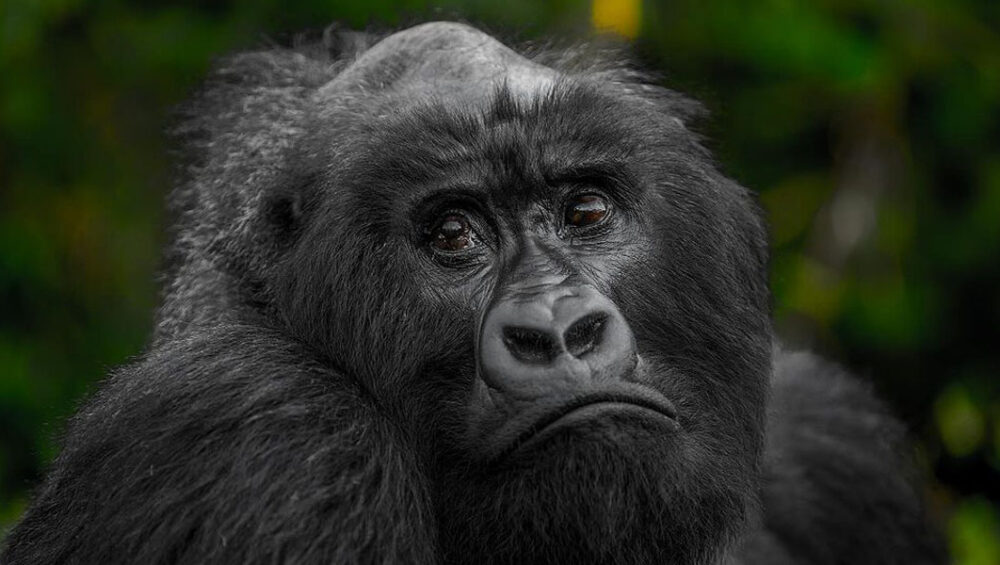
Mountain gorilla trekking is the best of all Rwanda hiking safari adventures. It is done in Volcanoes National Park, part of the Virunga Conservation area along with DRC’s Virunga National Park and Uganda’s Mgahinga Gorilla Park.

The Virunga Massif is among the only two ecosystems home to mountain gorillas. Rwanda’s Volcanoes National Park has the highest gorilla population, with 12 fully habituated gorilla families. This makes it an ideal and the most reliable gorilla trekking destination. 

Rwanda Hiking Safari Adventures, featuring mountain gorillas, starts with a briefing at the park headquarters. From there, you are guided to the forested mountains by ranger guides for 1 to 4 hours until you meet the gorillas. Once you get to them, you are expected to keep a 10-meter distance as you observe and learn more about the rare primates.

The gorilla encounter takes an hour, after which you are guided back to the park headquarters for your certificates of participation.

Nyungwe Forest Safari Adventures

Nyungwe Forest is among Rwanda’s exclusive hiking safari adventure destinations. It is located in southwestern Rwanda, about a 6-hour drive from Kigali, Rwanda’s capital city. Nyungwe covers a land area of 1,019 square kilometers of Montane rainforest.

It is home to 13 primates, including chimpanzees, over 85 mammals, 1068 plant species, and 32 amphibians. Nyungwe Forest is, therefore, diverse and believed to be the best preserved Montane rainforest in East and Central Africa.

Nyungwe is Rwanda’s most Important Bird Area, with over 300 bird species. From the forest diversity and ecosystem, Nyungwe was declared a World Heritage Site by UNESCO. Rwanda Hiking Safari Adventures to Nyungwe are rewarding as you journey the less traveled paths to see chimpazees. Birding journeys are equally rewarding from November to May when birds are in full plumage.

Nyungwe Birding tours largely depend on calls, and for the best experiences, we recommend a visit in March when birds are most vocal. Other exclusive Discovery Journeys you can be part of in Nyungwe include canopy walks; Nature walks to waterfalls and colobus monkey trekking.

The Congo Nile Trail

The Congo Nile trail is a 227-kilometer journey from Gisenyi (Northern Kivu) and Rusizi (Southern Kivu). It features an adventurous journey along the Lake Kivu Basin, Rwanda’s largest water body.

The Congo Nile Trail has a combination of hiking and safari adventures. It is best explored on guided nature walks through local communities where one directly interacts with them. It also features coffee experiences, cycling, birding, and scenic photography experiences.

Rwanda Hiking Safari Adventures along this trail can start from Nyungwe forest with chimpanzee trekking. For the best experiential and off-beaten path Rwanda Safari be sure to add this to your itinerary.

Akagera National Park adventures

Rwanda Hiking Safari Adventures are incomplete without a visit to Akagera National Park. Akagera is Rwanda’s only open savanna wildlife destination. It has a diverse ecosystem with open savannas, swamps, and woodlands. Akagera is East Africa’s largest protected wetland because of its extensive swamp network.

It is most famous for the Big Five Mammals spotted on game drives in the different trails. Other notable safari animals include giraffes, zebras, elands, the topi, and Hippos. There are over 450 bird species in the ecosystems in Akagera National Park. The African fish Eagle, shoebill stork, sooty chat, and grey-crowned cranes are notable birds you can see on a birding trip there.

Akagera National Park can be explored on guided nature walks. Park rangers monitor guided nature walks for one’s safety. They are rewarding and highly recommended for scenic views and wildlife photography.

Despite her small size, Rwanda is iconic and a must-visit destination for those interested in hiking adventures. Our customized packages feature the above Rwanda Hiking Safari Adventures and any other journeys of interest. They are open to all tourist categories conveniently staying at family-friendly safari lodges. Rwanda adventures can be done alongside other East African experiences like the Great wildebeest migration tour in Tanzania and Kenya tour adventures to Amboseli.

Kenya Photography Safari Destinations for Wildlife Enthusiasts. Discovery Journeys. Courtesy Photo

Kenya Photography Safari Destinations for Wildlife Enthusiasts

Kenya is East Africa’s leading savanna wildlife destination, renowned for its diversity, impressive landscapes, and photo opportunities. The country has the best open savanna wildlife destinations, and a Kenya photography safari offers a chance to capture its natural beauty.

Kenya’s diversity makes a Kenya photography safari adventure more meaningful. Your photography opportunities range from the vast savanna ecosystems, wetlands, Lakes, Rivers, and highlands. All these are home to several animal species you capture on your photography safari.

Whether you are a professional or amateur photographer, Kenya has picturesque safari destinations suitable for your wildlife photography needs. Below are the best and most recommended Kenya Photography safari destinations to consider when taking on Kenya Discovery Journeys.

Amboseli: Photography Of the Kilimanjaro Backdrop

Amboseli National Park is located in Southern Kenya. It is famous for its large elephant herds and the Backdrop of Mount Kilimanjaro, Africa’s tallest mountain. The park has diverse ecosystems with wetlands and open savannas where prominent animal species live.

Amboseli differs from other Kenya safari destinations by offering a wide range of experiences. These include birding, Big Cats, and cultural adventures. A Kenya photography safari to Amboseli features all these, and it is more impressive with a capture of the snow-capped Kilimanjaro peak.

The park’s flat terrain and open skies offer excellent landscape photography opportunities. For the best safari photography adventures, we recommend visiting the dry season. This spans from June to October and December to March. The dry season offers the best golden hour moments and has minimal rainfall disturbances.

Masai Mara National Reserve

Masai Mara National Reserve is also located in Southern Kenya. It comprises an open savanna ecosystem with scattered trees and shrubs. Masai Mara is an extension of the Serengeti ecosystem where the great wildebeest Migration happens.

It is home to the Big Five mammals, including Elephants, buffaloes, lions, leopards, and rhinos. Other notable safari animals in the reserve include giraffes, zebras, elands, hyenas, and several bird species. These occur in large numbers, freely roaming the open savannas, thus making Kenya photography safari adventures to Masai Mara exceptional.

The wildebeest migration is a game changer in Masai Mara photography safari tours. It has savanna wildlife’s highest animal concentration and attracts the land’s deadliest predators. The Migration into Masai Mara starts with the wildebeest River crossings of the Mara River. The River is home to Nile Crocodiles that await the migrating herds. After surviving the Mara River, the herds evenly spread over the savannas where they feed and continue their journey.

While in the savannas, they are hunted by lions, leopards, cheetahs, and occasionally hyenas. On a Kenya photography to Masai Mara, you can capture river crossings, predator hunts, and mass animal movements.

Samburu Reserve Unique Wildlife Photography

Samburu National Reserve is located along the off-beaten path in Northern Kenya. It is exclusive and home to Kenya’s rarest animal species. Samburu is home to the reticulated giraffe, Somali Ostrich, Grevy’s zebra, Oryx Beisa, and Gerenuk.

These species are Samburu’s special five and offer unique photography safari experiences. Samburu is a birder’s Paradise with over 390 bird species. It is also home to sought-after savanna Big cat species like lions, cheetahs, and leopards. This makes it an exciting Kenya Safari destination to capture predators in live-action hunting.

Samburu lies in a semi-arid region that is relatively dry. The Ewaso Ngiro River is the reserve’s primary water supply, where animals gather on a hot day to take water. This is an opportunity for close-up shots of the different safari animals. Samburu has a vibrant community of native Samburu people who still hold on to their African traditional values. A cultural visit to the Samburu people brings another perspective to photography as you interact and capture authentic cultural experiences.

Lewa Conservancy Safari Photography

Lewa Conservancy is among the best preserved and managed wildlife Conservancies in Kenya. It is located in Northern Kenya, covering a land area of 62,000 acres. Lewa was first registered as the Ngare Sergoi Rhino Sanctuary in 1983 to protect the critically endangered black rhinos. It was reinvented and renamed Lewa Wildlife Conservancy in 1995 and is still home to rhinos, Grevys zebras, lions, elephants, and other wildlife species.

Lewa is among Kenya’s successful conservation stories. It offers exclusive Kenya photography safari experiences in a sustainable and eco-friendly way. Photography safari adventures at Lewa focus on sustainable tourism that involves ecosystem preservation and the community.

At the conservancy, you capture wildlife in a well-managed environment with many chances of close-up shots. You can engage in different activities like horse riding, cycling, and guided nature walks that enable you to take photos from unique perspectives.

Aberdare Mountains National Park

The Aberdare mountain ranges bring a different perspective to Kenya Photography safari tours. They are located in central Kenya and are covered with a dense forest. Aberdare mountain ranges are ideal for mountain and landscape photography. On a photography safari here, you hike through the thick forest to the waterfalls. The two prominent waterfalls in the forested park are Karuru and Gura waterfalls.

In the Aberdare mountains, you can also capture rarely-seen forest animal species like the Bongo Antelope, elephants, buffaloes, and the black panther. Wildlife photography in the Aberdare mountains is more challenging because of hiking and the thick forest. It is, however, recommended for those interested in exclusive Kenya photography safaris.

We feature other exclusive destinations in East Africa that are ideal for wildlife photography. Uganda and Rwanda are ideal for primates and birding photography. They are home to the rare mountain gorillas and chimpanzees. Uganda’s Kibale forest has the highest chimpanzee population and is home to 12 other primates. Those interested in chimpanzee tracking, habituation, and photography can opt for this. We customize photography safari tours that combine Uganda, Rwanda, and Kenya. Contact us for more information.

A Chimpanzee Trekking Safari Guide in Kibale National Park. Discovery Journeys

A Chimpanzee Trekking Safari Guide in Kibale National Park.

A chimpanzee trekking safari in Kibale National Park ought to be a priority for primate lovers. Kibale National Park is located in western Uganda, about a 6-hour drive from Kampala. It is home to chimpanzees and 12 other primate species. The park, therefore, offers memorable chimpanzee trekking safari adventures and journeys of Discovery. We have come up with this Kibale chimpanzee trekking safari guide to highlight key information need for a successful adventure. 

Chimpanzee trekking safari expeditions in Kibale are rewarding because of the park’s high chimpanzee population. Its diverse ecosystem and abundance of other wildlife species make it a must-visit Uganda Safari destination.

This chimpanzee trekking safari guide discusses the experience, chimpanzee habituation, and other Kibale National Park adventures.

About The Chimpanzee trekking safari

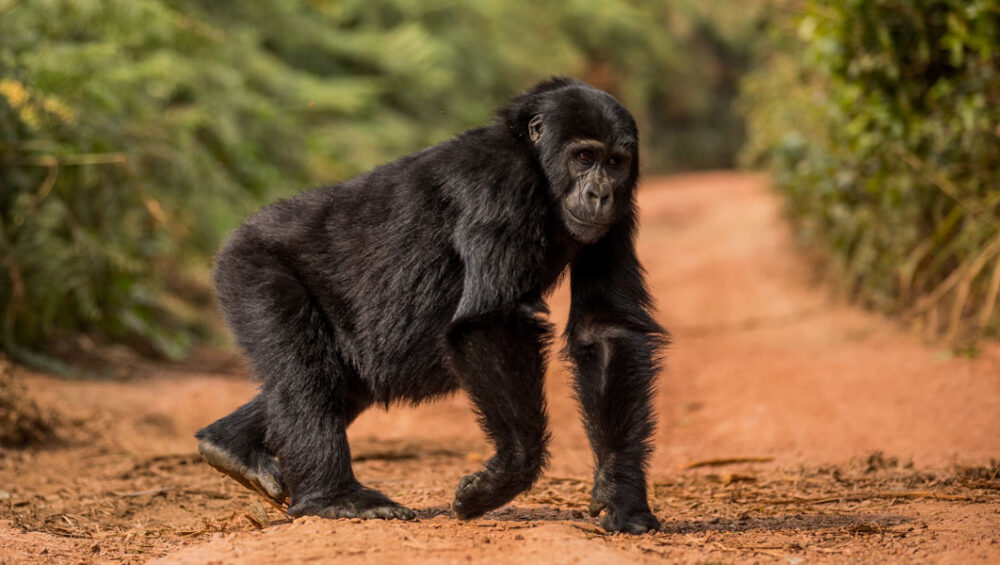
Chimpanzees are primates and man’s closest relatives, with over 98% DNA similar to humans. They are highly social and live in communities of up to 20 individuals led by a dominant male. Their DNA similarity to humans makes them intelligent and capable of learning human sign language.

Kibale National Park has the highest chimpanzee population, with five habituated communities. These are open for the normal chimpanzee trekking safari and the habituation experience.

Chimpanzee trekking starts with a briefing at the park headquarters, after which you are guided on a walk to the forest. This takes 2 to 4 hours, depending on the movement of chimpanzees since they are mobile. Once you get to them, you are allowed in their presence for an hour, taking photos and learning more about them. After this remarkable encounter, you are led back to the park headquarters where you are awarded certificates of participation. 

The Chimpanzee Habituation Experience

The Chimpanzee habituation experience takes you behind the scenes as you follow the chimps’ daily routine. It also starts with a briefing at the park headquarters and allows you up to 4 hours in the presence of chimpanzees. Chimpanzee habituation is experiential and recommended for primatologists with an interest in closely studying chimpanzees.

A few chimpanzee habituation permits are available daily and it is recommended to book them early.

What to expect

You must obtain your trekking or habituation permit from the Uganda Wildlife Authority. This can be acquired directly or through a licensed tour operator. Permit fees vary depending on one’s nationality. East African Citizens and Foreign Residents with valid work permits have discounted rates.

Trekking is done in the company of well-knowledgeable ranger guides who have traversed Kibale Forest for years. Some rangers are involved in the habituation process and know the chimpanzee behavior. They track the movement of chimpanzees and ensure a safe encounter.

Hiking through Kibale National Park can be challenging because of the uneven terrain. It is, therefore, important to wear appropriate hiking shoes and comfortable clothing. Long-sleeved pants and shirts are recommended to avoid getting irritation from the plants.

During the chimpanzee encounter, you are debriefed by the rangers to keep a distance and minimize noise. Touching and feeding chimpanzees is prohibited as they are still wild animals that can misinterpret your intentions.

Best time for a chimpanzee trekking safari

Chimpanzee trekking safari adventures are best experienced in the dry season. The dry season in Uganda covers the months of December and February and from June to September. The minimal rainfall disturbances in the dry season make navigation through the forest trails easy.

Chimpanzees also gather near water sources and it is easy to spot them.

Where to Stay

Kibale National Park has several lodging options ranging from budget to high-end. They are located a few minutes from the park headquarters making it easy to access the park on the day of the trek.

Primate Lodge is the only safari lodge situated within the park. It is located within a walkable distance to the headquarters. Other notable safari lodges include Chimpundu Lodge, Kyaninga Lodge, Turaco Tree Tops, and Isunga Lodge.

Getting there

Kibale Forest can be accessed by road and air transport. The road transfer takes a 6-hour drive from Kampala. This includes en-route stopovers for photography at places of interest. It takes a 3-hour drive to get to the park from Queen Elizabeth National Park.

Air transport is the most convenient option from Entebbe, with an hour’s flight to Kasese Airstrip. From there you connect to the park in under 2 hours.

Other Kibale Forest Safaris

Kibale Forest offers several Discovery Journeys adventures in addition to the chimpanzee experiences. Birding tours are ideal as the park is home to over 300 bird species. Notable birds you can spot here include the Great Blue Turaco, the purple-headed starling, and the Western Nicator.

The forest has provision for day and night guided walks. Day nature walks are ideal for scenic views and exploring other wildlife species in the forest, especially plants, and butterflies. Night nature walks are best for viewing nocturnal wildlife most active at night. You stand a chance of seeing night jars and bush babies on a Kibale night nature walk.

The Bigodi Wetland is another option you can check out when visiting Kibale National Park. It is adjacent to the park and offers guided walk opportunities to see primates and birds. It is also home to reptiles easily spotted on guided nature walks.

As you plan your Uganda Discovery Journeys, follow this ultimate chimpanzee trekking safari guide for a successful adventure in Kibale. Uganda has other adventure experiences, including mountain gorillas and predator tracking. These can be done alongside adventures to our other featured destinations like Rwanda, Kenya, and Tanzania.

Planning Your Mount Kilimanjaro Hiking Adventure. Discovery Journeys

Planning Your Mount Kilimanjaro Hiking Adventure!

The Mount Kilimanjaro hiking adventure is a bucket-list Discovery Journeys expedition for adventurers and nature lovers. Mount Kilimanjaro is Africa’s highest peak, standing 5,895 meters above sea level. This majestic mountain offers a unique hiking adventure because of its snow-capped summit.

Today’s guide takes you through the key steps in preparing for a successful Mount Kilimanjaro hiking adventure.

Choosing the Right Hiking Route

Mount Kilimanjaro has several routes, each with its beauty and challenges. Choosing the right one depends on your fitness level, time available, and preferences and sets the tone for your Mount Kilimanjaro hiking adventure.

Below are some of the routes you can opt for.

Marangu Route

The Marangu route is the easiest path with hut accommodations. It, however, has rapid ascents, making it less favorable for acclimatization.

Machame Route

The Machame route is longer, taking six to seven days. It is popular for its impressive scenery and is ideal for acclimatization. This makes it the most preferred choice for Mount Kilimanjaro hiking adventures.

Lemosho Route

Lemosho is among the newest Mount Kilimanjaro Hiking routes. It has impressive scenery with better acclimatization, just like the Machame route. Being new, it is less crowded and therefore offers exclusive hiking experiences.

Rongai Route

The Rongai Route is drier and ideal for hiking the mountain in the wet season. It has gentle slopes and a quiet path offering exclusive hiking journeys.

Physical Preparation

The Mount Kilimanjaro Hike requires no technical hiking experience but can be physically demanding. It takes a couple of days of walking to and from the summit. The mountain also has a varying altitude at different zones, which affects your body.

It is recommended to start your training at least two to three months before the hike. This training includes swimming, cycling, running, squats, and hiking.

Cold Water Immersion is recommended to train your body for colder environments. You can also hike to higher altitudes to familiarize your body to avoid altitude sickness.

Packing List

A successful Mount Kilimanjaro hiking adventure requires one to pack the right gear. These range from clothing, footwear, and other accessories.

We recommend moisture-wicking base layers that easily draw sweat from your skin. These can be supplemented by insulating cloth layers, waterproof clothing, plus a warm jacket. Hand gloves, neck gaiters, waterproof hiking shoes, and woolen socks are also essential.

A quality sleeping bag with sub-zero temperatures is important. There are sleeping bags for hire, but they may not be as comfortable as you prefer. It is better to bring your own for extra comfort.

Other extras include sunscreen, hats, extra camera batteries, power banks, and any other personal preferred items.

Hiking with a Guide

Mount Kilimanjaro hiking adventure is only possible with a registered Tour Operator. Several registered and licensed tour operators offer hiking packages to the summit. Hiking quotes include food, hiking fees, porters, drinking water, and other essentials.

We work directly with well-experienced guides who have hiked the mountain for several years. They know the best path to use and set a manageable pace that is user-friendly to all hikers. Our guides and porters help monitor your health and assist in navigating the touch sections of the mountains.

Porters are the most underrated part of the hiking experience. They carry most of your luggage, but it is advisable to have a small backpack with the essentials you require. These can include snacks, extra clothing, water, and personal medication. Ensure to tip your porters and guide at the end of the hike as a sign of gratitude. Tipping is part of Tanzania’s safari culture and is highly recommended.

Altitude Sickness

Altitude sickness can hinder your Mount Kilimanjaro Hiking adventure. It is advised to hike at a slower pace as your body acclimatizes to the mountain environment. Most Kilimanjaro hiking routes follow the “climb high, sleep low” principle. This enables your body to adjust to lower oxygen levels as you ascend to high mountain altitudes.

Pay attention to your body’s reaction and inform your guide immediately. Any symptoms like nausea, headache, and dizziness are signs of altitude sickness. These can affect your hiking adventure if not tended to early. Ensure to eat regularly, move slowly, and stay hydrated during the hike.

Diamox is among the notable altitude medications you can use. Descending the mountain, however, remains the safest option if you feel unwell.

The daily Kilimanjaro Hiking routine

Hiking Africa’s tallest mountain follows a structured routine with an early morning start. This begins with preparations for the day’s hike and breakfast. A briefing is done by the guides to prepare you for what is ahead of the adventure.

Hiking takes 4 to 6 hours daily, with en route stopovers for lunch and photography at places of interest. Mount Kilimanjaro has different vegetation zones, starting with the lush rainforests. These slowly ascend into other vegetation zones with rocky moorlands and eventually the snow-capped peaks. Hiking through these vegetation zones enables you to discover the wildlife species that inhabit the mountains.

Each day spent brings you closer to the summit, which has impressive glacial features. The higher mountain slopes offer great scenic views of the surrounding landscapes of the Tanzania wilderness.

The hiking teams have well-experienced cooks who prepare hot, simple meals once you reach the camp. Dining under the stars adds to the magic of your Mount Kilimanjaro hiking adventure.

The Summit Experience

Reaching the summit is everyone’s dream and ultimate goal. It is, however, the most challenging part of the hiking experience. Ascending the summit starts around midnight, going over a steep slope in intense coldness. Mental strength and persistence become the most important aspect of this section of the hike.

The goal usually is to reach the summit by sunrise. Uhuru, the mountain’s highest peak, is the final push. You first go through the Stella point, which is the first landmark of the summit. While at Uhuru Peak, you enjoy panoramic views of the continent, celebrate the successful ascent, and begin your descent.

The descent is tough on your knees and best handled by slowing down where necessary. Your first stop is at a lower Camp where you rest after a long adventure from the summit.

The descending experience

Descending the mountain takes a couple of days, and it is manageable. You get a sense of achievement and fulfillment after reaching the summit with a lasting adventure experience. Once you return to the mountain base you are awarded certificates of participation for your successful hike.

The Mount Kilimanjaro hiking adventure is remarkable as you conquer Africa’s highest peak and challenge your limits. Memories from the impressive views and the bond created with fellow hikers last forever.

Discovery Journeys to the Roof of Africa is an unforgettable adventure through diverse ecosystems and your physical limits. It becomes a blend of adventure, personal growth, and incredible experience with the right preparation.

Mount Kilimanjaro delivers whether you are inspired by the allure of standing at Africa’s highest point or seeking an epic Discovery Journeys experience. It is best done as a stand-alone but hikers with mountain climbing experiences can add other adventures to Serengeti National Park. Those interested in primate trekking can visit Uganda and Rwanda.

Things To Do On A Rwanda Safari Adventure! Discovery Journeys.

Things To Do On A Rwanda Safari Adventure

A Rwanda safari adventure offers an unforgettable experience in one of Africa’s most biodiverse destinations. Rwanda is popularly referred to as the Land of a Thousand Hills because of its breathtaking landscapes. It offers incredible wildlife encounters and exclusive cultural experiences. Whether you are a nature enthusiast or a curious traveler, a Rwanda safari adventure promises incredible moments. Here are some key activities you can enjoy on your Rwanda safari Adventure.

Gorilla Trekking in Volcanoes National Park

Mountain gorilla trekking is one of the highlights of any Rwanda safari in Volcanoes National Park. This park is home to the endangered mountain gorillas, golden monkeys, and several other wildlife species. Encountering mountain gorillas in their misty Virunga Massif mountains is an unforgettable experience. The gorilla trekking adventure starts with a short briefing at the park’s headquarters. You then begin trekking through the dense forest, guided by experienced rangers.

The trek can be challenging, but the reward is incomparable. You witness the mountain gorilla family dynamics as you observe a gorilla family up close. This experience connects you to nature in a profound way. Permits for gorilla trekking are limited, so it is essential to book in advance.

Nyungwe Chimpanzee Tracking safari

Nyungwe Forest National Park is another must-visit destination on a Rwanda safari. It is one of Africa’s oldest rainforests and home to chimpanzees and 12 other primate species. Nyungwe has the largest tract of forest in Rwanda with three chimpanzee communities. It was recently declared a UNESCO World Heritage Site highlighting it as a place of biodiversity significance. Nyungwe offers an opportunity to see these chimpanzees in the wild.

On a Nyungwe chimpanzee tracking tour, you follow chimpanzee calls through the forest. You are accompanied by expert guides and trackers who have traversed the forest for a long time. Watching chimpanzees swing from tree to tree is an exciting sight. Chimpanzee tracking takes a few hours and starts early in the morning. The dense forest and diverse birdlife enhance the experience, making it a perfect adventure for nature lovers.

Akagera Safari Game Drives

Akagera National Park is for those interested in a classic African safari experience. The park is a savannah ecosystem filled with wildlife, including the Big Five: lions, elephants, buffalo, leopards, and rhinos. On a game drive, you explore open plains, wetlands, and woodlands in search of these majestic animals.

The park’s diverse ecosystem supports wildlife species, from zebras to giraffes. Akagera also boasts one of the highest densities of hippos in Africa. It is Rwanda’s second most Important Bird Area after Nyungwe forest with over 480 bird species. 100 of them are endemic to the park and do not occur in any other Rwanda safari destination.

With the guidance of experienced rangers, you’ll explore the park’s beauty while learning about its successful conservation efforts.

Canopy Walk in Nyungwe Forest

The canopy walk is among the outstanding activities in Nyungwe Forest. It provides a bird’s-eye view of the forest. The walkway stretches 200 meters long and hangs 70 meters above the ground.

Walking through the treetops offers a unique perspective on the forest’s ecosystem. You spot birds, butterflies, and primates as you hike this suspended bridge. The canopy walk is ideal for adventurous travelers and adds an exciting aspect to your Rwanda safari adventure. It is a great way to immerse yourself in the beauty and diversity of the forest.

Exploring Lake Kivu

Lake Kivu is Rwanda’s largest lake. The lake is a remarkable destination for those seeking relaxation after days of trekking and game drives. It offers stunning views, peaceful beaches, and numerous water activities. You can enjoy a boat ride to explore the lake’s islands, go kayaking, or simply relax on the beach.

Gisenyi, on the northern shore, is a popular spot for lakeside accommodation. A visit to Lake Kivu balances the excitement of your safari adventures.

Take time on your Rwanda safari to unwind at Lake Kivu’s calm shores.

Iby’iwacu Cultural Village Experience

A Rwanda safari is also an opportunity to engage with the local culture. The Iby’iwacu Cultural Village tour near Volcanoes National Park offers an immersive experience of Rwandan traditions.

At the village, you learn about the customs and lifestyles of the Rwandan people. Participate in traditional dances, learn about medicinal plants, and even try your hand at archery. The cultural exchange fosters a deeper understanding of Rwanda’s rich history and its recovery after the 1994 genocide. It’s a meaningful way to connect with the local community.

The Iby’iwacu Cultural Village was renamed the Gorilla Guardian Village. It shows the significance and role the community plays in mountain gorilla conservation.

Hiking Mount Bisoke

Hiking Mount Bisoke is a great physical challenge and addition to your Rwanda safari. Mount Bisoke is a dormant volcano in Volcanoes National Park and offers a rewarding climb with spectacular views. It is part of the Five Volcanoes in the park and an extension of the Virunga Massif that stretches to Uganda and DRC.

The Mount Bisoke hike takes around six hours, and the summit is graced with a stunning crater lake. As you ascend, you will pass through lush vegetation and enjoy the fresh mountain air. Hiking is an adventurous activity that allows you to explore Rwanda’s volcanic landscape.

The Bisoke climb is moderately challenging but panoramic views from the summit make it worth every step.

Visiting the Kigali Genocide Memorial

A Rwanda safari would be incomplete without paying tribute to the country’s history. The Kigali Genocide Memorial is a place of reflection and remembrance, honoring the victims of the 1994 Rwandan Genocide.

It is located in the capital city and among the World Heritage Sites in Rwanda. The memorial provides a touching experience with an insight into the events of the genocide and Rwanda’s remarkable journey toward healing and reconciliation.

Visiting the memorial is a moving experience that encourages reflection on the past while celebrating the resilience of the Rwandan people.

Rwanda Safari Journeys!

A Rwanda safari is a diverse adventure that offers more than wildlife encounters. From gorilla trekking to cultural experiences and relaxation by Lake Kivu, there’s something for every traveler. The breathtaking landscapes and warm hospitality make it a top destination for those seeking excitement and serenity.

Our custom Rwanda Discovery Journeys feature most of these experiences and other adventures of interest. The 10-day Rwanda safari is recommended for an extensive understanding of the land of Thousand Hills. If you do not have the 10 days you can opt for short safari options like the 2-day Rwanda Tour, 3-day Akagera Tour, 3-day Rwanda gorilla tour, and 5-day Rwanda Tour.

Whether you’re an animal lover, culture enthusiast, or nature explorer, a Rwanda safari will leave you with memories to last a lifetime. Connect with us to get started on your next safari to Rwanda and other featured destinations like Tanzania. Tanzania offers open savanna experiences as well the Mount Kilimanjaro hiking adventures!

Masai Mara Wildebeest Migration Safari Season. Discovery Journeys

Masai Mara Wildebeest Migration Safari Season

The Masai Mara wildebeest Migration safari season is on as wildebeests continue with the River crossings into Masai Mara. This annual mass migration happens between Serengeti National Park and the Masai Mara National Reserve.

It involves over a million wildebeests, zebras, and gazelles searching for fresh pastures. These migrating herds are guided by seasons and form one of the largest savanna wildlife migrations on the planet.

Below is what you need to know about this prominent Masai Mara wildebeest Migration safari season.

About Masai Mara

Masai Mara National Reserve is located in southern Kenya. It covers a land area of 1,510 square kilometers stretching to the Kenya Tanzania Border. Masai Mara is an extension of an open savanna ecosystem from Tanzania’s Serengeti National Park. This ecosystem is home to the savanna’s most sought-after wildlife species including large mammals and birds.

Notable safari animals in Masai Mara include elephants, giraffes, elands, zebras, and the topi. It is also home to the Big Cats including lions, leopards, and cheetahs. Masai Mara has the highest lion population thriving on the abundance of prey.

The reserve is rich in bird life with over 500 species. Some are endemic to the Masai Mara and Serengeti ecosystem like the Usambiro barbet. Kori bustards, Secretary birds, Rufous-bellied herons, African finfoot, and Bateleur are among the commonly seen birds in the reserve.

The Wildebeest Migration Season

The wildebeest migration safari season gives Masai Mara a great boost in wildlife numbers. It starts in Tanzania with the calving period where over 5,000 calves are born daily. During this time of the year, the migrating herds would have moved to southern Serengeti via the Ngorongoro Crater rim and Ndutu Conservancy.

They slowly drift to central Serengeti battling the land’s deadliest predators that take advantage of the newborns. Serengeti has the highest lion concentrations in Tanzania with prides of up to 15 lions. These hunt wildebeests, zebras, and gazelles for their survival. Live-action predator hunting is common in the Serengeti and Masai Mara ecosystems.

Herds that survive the predators in Southern and central Serengeti continue their quest until they meet another obstacle. This is of the Nile Crocodiles in the Mara River that borders Masai Mara and Serengeti. Mara River banks are steep and some wildebeests fall off landing in the jaws of the awaiting predator crocodiles. The Mara River crossings happen from July to September depending on the speed of the migrating herds.

Many of these make it into the Masai Mara where they stay until November. They then start crossing back to Tanzania and the migration cycle begins again. The Masai Mara Wildebeest Migration Safari Season is tough on the wildebeest as they fight for survival from the awaiting predators.

Best time to Visit

The Masai Mara Wildebeest Migration Safari Season is from July to September making it the best time to visit. July marks the start of the Mara River crossings and is ideal for those particularly interested in that. As time passes the migrating herds scatter throughout Masai Mara and are seen on game drives.

The dry season in Masai Mara starts from June to September. There are minimal rainfall disturbances and game drives and overall nature viewing is great. Wildlife spotting and photography are easy thanks to the wildlife numbers.

The Masai Mara Wildebeest Migration Safari Season doubles as the peak tourist season. Safari Lodges and camps get fully booked as many seek to be part of the wildebeest migration Discovery Journeys. Game drive trails are jam-packed with safari vehicles turning off travelers who prefer exclusive experiences. You can only have exclusive Kenya safari adventures in Masai Mara during the off-season months. This is from March to May and October to early December.

The off-season months are wet with more chances of rainfall. Game drive trails become impassable making it hard to access certain areas. Rains, however, favor the growth of lush vegetation creating impressive scenic views. This also provides pasture to the grazers including wildebeests and zebras. They stay near the game drive trails and are easily spotted. Predators like leopards hide in these grasses and easily take down their unsuspecting prey.

Where To Stay

Masai Mara has several accommodation facilities including tented camps and classic safari lodges. These differ in budget and cater to all tourists. Masai Mara safari lodges are strategically located in the way of the migration. This makes it easy to catch up with the migrating herds and execute safari adventures in the reserve.

Mahali Mzuri, Lyok Mara Camp, Mara Serena Safari Lodge, Governors’ Camps, and Angama Mara are notable safari lodges you can consider. These however get fully booked during the peak season and it is recommended to book in advance.

Other Kenya Unique Experiences

Kenya is the birthplace of safari. It has other Signature experiences beyond the Masai Mara Wildebeest Migration Safari. Amboseli National Park safari adventures offer up-close encounters with elephants. The park is home to several other wildlife species including lions, hippos, giraffes, and hyenas.

Amboseli is located in southern Kenya near the border with Tanzania. It is the best place to see Mount Kilimanjaro, Africa’s tallest mountain. It has a vibrant bird life and is among the best Kenya safari destinations to see flamingos. Lake Nakuru was the best place to see flamingos but they migrated because of the rise in the Lake’s water level.

Lake Nakuru National Park still has flamingos and water birds including great white pelicans. It is the only Kenya national park with the Rothschild Giraffes. Other notable wildlife species in Lake Nakuru National Park include Rhinos, zebras, buffaloes, and hippos.

We have curated several Kenya safari itineraries to feature the wildebeest migration and other safari experiences. The 3-day Masai Mara safari is exclusive to the reserve for Big Cats and the great migration. Our 6-day Kenya safari features Amboseli, Lake Naivasha, and Masai Mara. The 10-day Kenya safari is the ultimate Discovery Journeys adventure with a visit to Samburu National Reserve.

Best Time To Go Gorilla Trekking. Discovery Journeys

Best Time To Go Gorilla Trekking

Gorilla trekking safari adventures tops the list of East African primate expeditions as people desire to meet mountain gorillas in their habitats. Mountain gorillas are rare primate species that live in the forested mountains of East Africa. Meeting these primates is unforgettable and many wonder the best time to go gorilla trekking. One’s interests and schedule determine this as you require a good time on gorilla trekking adventures combined with other Discovery Journeys.

The experience is doable throughout the year and there are several trekking destinations you can choose to visit.

Mountain Gorilla Trekking Destinations

Bwindi Impenetrable Forest tops the list of the best gorilla tour destinations. It is located in southwestern Uganda and covers a land area of 331 square kilometers. Buhoma, Ruhija, Rushaga, and Nkuringo are the parks sectors with habituated gorilla families. Each has habituated gorilla families with 10 to 20 individuals. It is important to take note of these sectors if you are to go gorilla trekking in Bwindi. Mountain gorilla permit availability depends on this and one has to be at the right sector headquarters ahead of the adventure.

Mgahinga Gorilla Park is another Uganda safari destination with mountain gorillas. It is located in southwestern Uganda in the Kisoro district. Mgahinga is part of the Virunga Conservation with Volcanoes and Virunga National Parks. It is the smallest with only one habituated gorilla family called Nyakagezi. The park is also home to golden monkeys and other wildlife species including birds. Discovery Journeys here feature mountain gorillas, golden monkeys, birds, and the Virunga Mountains that can be hiked in a day’s excursion.

Volcanoes National Park Rwanda is the best gorilla trekking destination in the Virunga Massif. It has 12 fully habituated gorilla families with 96 gorilla permits available daily. The park is busy and these permits get fully booked months in advance. Book in advance if you are to go gorilla trekking in Rwanda.

Best Time To Go Gorilla Trekking

East Africa has two main climate seasons, the dry and wet season. The dry season starts from June to September and from December to February. This is the best time to go gorilla trekking in any of the above destinations. During the dry season, trekking trails are dry and easy to navigate. Minimal rainfall disturbances during these months make the primate experience more enjoyable.

December is a festive month when many people go on holiday. It is a busy month for all safari adventures including those primate trekking. Anyone intending to go gorilla trekking in December should book their trip in advance.

Wet season months from March to May and October to November have higher chances of rainfall. The rains favor the growth of lush vegetation and animal species that depend on plant vegetation including gorillas feed from nearby areas. Trekking to the gorillas becomes easy since they do not have to move far for fresh edible vegetation. Lower tourist numbers make gorilla tours during the wet season exclusive and enjoyable. We recommend one to go gorilla trekking irrespective of the season as each has its advantages.

Gorilla Trekking Packages

All our Discovery Journeys packages are customized based on one’s preference and convenience. Gorilla trekking requires time and we recommend on to set aside at least 3 days if they consider to go gorilla trekking. Our 3-day Rwanda Gorilla Tour features a visit to Volcanoes National Park for mountain gorillas and golden monkey trekking. The 4-day double gorilla trekking tour is ideal for those interested in tracking two gorilla families.

Gorilla tour adventures can be combined with other safari experiences like chimpanzee trekking, game drives, and boat cruises. Our 7-day Uganda Wildlife safari features a visit to Kibale National Park for chimpanzee trekking. From there you proceed to Queen Elizabeth National Park for a game drive and boat cruise and then visit Bwindi for the anticipated gorilla trekking safari. Other notable gorilla packages include the 5-day Rwanda Tour, the 5-day Uganda Primates tour, and the 10-day Uganda Discovery Journeys.

Packing List

A successful gorilla safari adventure requires one to pack the right items. The experience is done on foot in forested mountains and strong hiking shoes are recommended. Rain gear including one for the camera is a must as rainfall can be unpredictable.

Long-sleeved shirts and trousers are ideal to avoid skin irritation when in contact with plants. Hand gloves, gaiters, binoculars, extra batteries, and energy bars are other items you should consider for your gorilla trekking adventure. Walking sticks are provided at the park but you can come with one depending on your preference.

Where to Stay

Gorilla tour destinations are facilitated by different accommodation categories ranging from budget to luxury options. Volcanoes National Park Rwanda has the highest concentration of luxury lodges. These include Bisate Lodge, Kataza House, Sabyinyo Silverback Lodge, Bishops House, and Amakoro Songa Lodge. Deluxe options include Mountain Gorilla View Lodge, Da Vinci Lodge, and Five Volcanoes Hotel.

The Buhoma sector of Bwindi Impenetrable National Park has luxury lodges including Bwindi Lodge, Mahogany Springs, and Gorilla Forest Camp. Rushaga, the southern sector of Bwindi is facilitated by Four Gorillas Lodge, Rushaga Gorilla Camp, Ichumbi Lodge, and Lake Mulehe Gorilla Lodge. The Nkuringo sector is facilitated by Nkuringo Bwindi Lodge, Gorilla Heights, and Clouds Gorilla Lodge. These are luxury lodges strategically located near the park headquarters.

Lodges get fully booked during the peak tourist season and festive days. Ensure to book in advance if you intend to visit during that time.