Gorilla Trekking is one of Africa’s extraordinary wildlife encounters, allowing you to come face-to-face with mountain gorillas in their natural habitats. Mountain gorillas are endemic to the forested mountains of Rwanda, Uganda, and the DRC, with Rwanda and Uganda being the best and safest places to see them. Primate enthusiasts compare Gorilla Trekking in Rwanda and Uganda to determine which destination best suits their interests, budget, and travel style.
Both countries offer exceptional opportunities to observe habituated mountain gorilla families. This is done by adhering to strict Gorilla trekking rules aimed at protecting both the Great Apes and people visiting. Customized mountain gorilla tour packages feature one or both countries and actively support mountain gorilla conservation efforts.
Below is a brief insight into how Uganda gorilla trekking compares to Rwanda.
Gorilla Trekking in Rwanda
Gorilla trekking in Rwanda takes place in the lush bamboo forests of the Volcanoes National Park. This is located in the northwestern part of the country, about a 3-hour drive from Kigali, Rwanda’s capital city. Volcanoes National Park has several habituated mountain gorilla families that are open to tourism. You are assigned to different mountain gorilla families based on your fitness levels and personal preference.
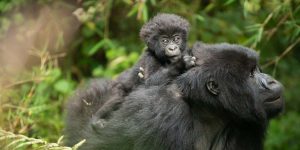
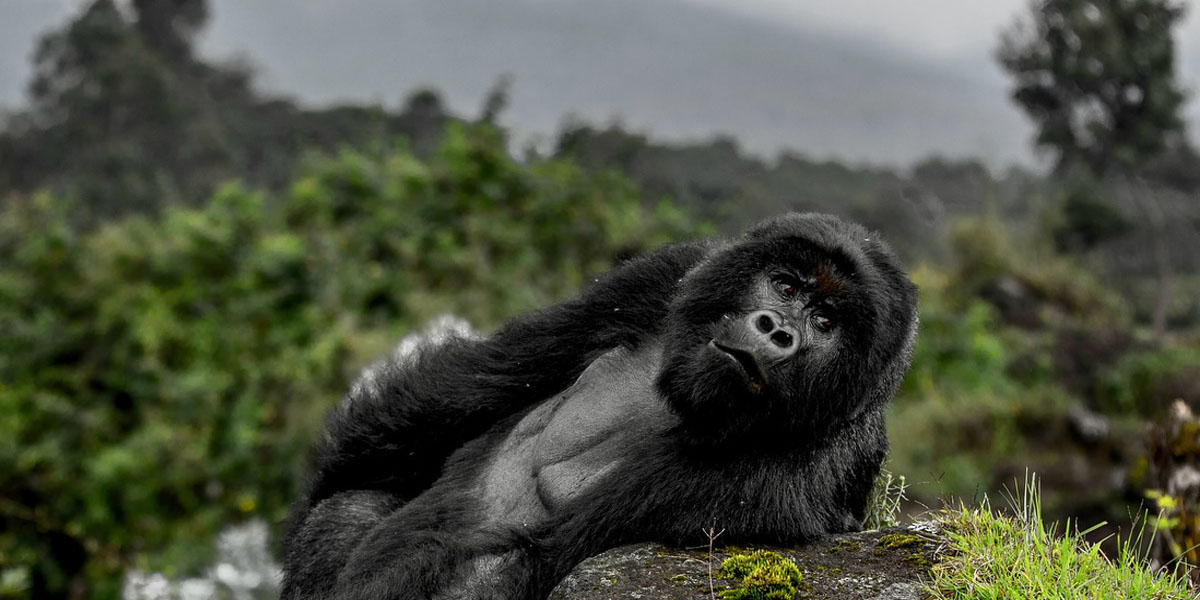
During the trek, you are guided to the forested mountains hiking for up to 4 hours, depending on the movement of the mountain gorillas. Once you get to them, you are allowed to spend one hour observing these gentle giants as they feed, groom, and interact with one another. Revenue generated from Gorilla Trekking in Rwanda significantly contributes to mountain gorilla conservation, benefiting local communities and protecting critical gorilla habitats.
Rwanda’s excellent infrastructure makes it easy to access even the most remote safari destinations. With this, Gorilla Trekking in Rwanda is an attractive option if you are seeking convenience and luxury.
Volcanoes National Park’s easy access allows you to embark on gorilla trekking in Rwanda for short durations, like a 1-day trek. We recommend the 2-day and 3-day gorilla tour options if you are seeking a more relaxed experience. Rwanda also offers a range of premium Gorilla tour packages that combine gorilla trekking with cultural experiences, birdwatching, and luxury lodge stays.
Uganda Gorilla Trekking
If you are seeking affordability and diverse trekking experiences, Uganda gorilla trekking is the recommended choice. Uganda gorilla trekking takes place in Bwindi Impenetrable and Mgahinga Gorilla National Park, both renowned for their rich biodiversity.
One of the highlights of Uganda gorilla trekking is the large number of habituated mountain gorilla families available for tracking. Bwindi alone hosts more than twenty habituated mountain gorilla families, providing greater permit availability and more trekking options.
Uganda gorilla trekking offers availability of budget-friendly and mid-range Gorilla tour packages. These itineraries often include chimpanzee tracking, wildlife safaris, and cultural encounters, making Uganda gorilla trekking an excellent value-for-money experience. Our 10-day Uganda gorilla safari is a great example. It features game drives in Murchison Falls and Queen Elizabeth National Parks, with mountain gorilla trekking in Bwindi being the highlight.
Uganda also offers the Gorilla Habituation Experience, where you can spend up to four hours with selected mountain gorilla families under the guidance of researchers and rangers. All the income generated through Uganda gorilla trekking plays a vital role in supporting mountain gorilla conservation initiatives and community development projects.
Trekking Rules and Regulations
Whether you choose gorilla trekking in Rwanda or Uganda, you must follow set gorilla trekking rules designed to protect both people and gorillas. Important Gorilla trekking rules include maintaining a minimum distance of ten meters from the gorillas, avoiding direct eye contact, and refraining from visiting gorillas when feeling unwell. Mountain gorillas share over 95% DNA with humans and can easily contract human diseases like the flu and cough.
Additional Gorilla trekking rules require one to remain in groups, avoid flash photography, and follow instructions from park rangers at all times. Observing these Gorilla trekking rules helps minimize stress on the animals and supports ongoing mountain gorilla conservation efforts.
Tour Packages and Conservation
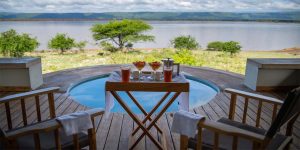
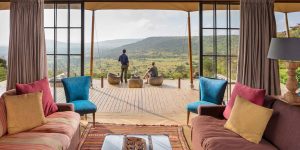
You can choose from a wide variety of Gorilla tour packages depending on your interests and budget. Luxury Gorilla tour packages often feature exclusive lodges and private transfers with flying safari options. Budget-friendly Gorilla tour packages cater to adventurous travelers seeking authentic experiences.
Many combined Gorilla tour packages include visits to both Rwanda and Uganda. This allows you to compare Gorilla Trekking in Rwanda and Uganda gorilla trekking firsthand. These experiences offer opportunities to observe different mountain gorilla families and appreciate the unique characteristics of each destination.
Commitment to mountain gorilla conservation is a testament to both countries. Tourism revenues generated from permits and Gorilla tour packages directly fund ranger patrols, habitat restoration, veterinary programs, and community initiatives. Continued investment in mountain gorilla conservation ensures that future generations can enjoy encounters with these rare primates.
Which Destination Should You Choose?
Choosing between Gorilla Trekking in Rwanda and Uganda depends on personal preferences. If you are seeking shorter travel times and high-end experiences, you may prefer Gorilla Trekking in Rwanda. Those who prefer affordability, diverse trekking routes, and extended wildlife adventures may favor Uganda gorilla trekking.
Regardless of the destination, you will encounter remarkable mountain gorilla families following well-designed Gorilla tour packages. By following essential Gorilla trekking rules, you contribute to meaningful mountain gorilla conservation efforts, transforming the community and gorilla habitats. Both experiences promise unforgettable primate Discovery Journeys and a deeper appreciation for the importance of protecting the world’s remaining mountain gorillas.